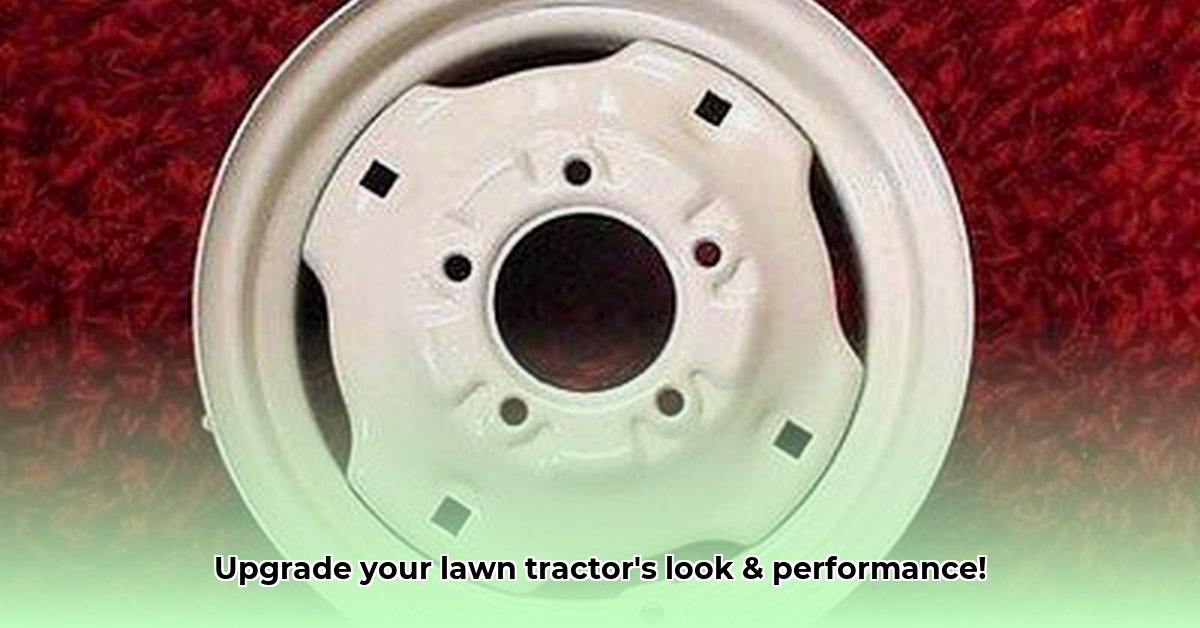
Understanding Your Lawn and Your Needs
Before selecting new lawn tractor rims, consider your lawn's characteristics. A small, flat lawn requires different rims than a large, hilly one. Think about the size of your yard, its terrain (hills, dips, obstacles), and the frequency of mowing. This assessment informs your rim choice. For instance, larger yards with uneven terrain benefit from durable, robust rims designed to withstand impacts. Smaller, flatter lawns may suit lighter, less expensive options. Do you often maneuver around obstacles? This adds another layer to your consideration. For more information on lawn tractors, check out this helpful resource: Lawn Tractor Info.
Decoding Rim Sizes and Materials: Steel vs. Aluminum
Lawn tractor rims are sized by diameter and width (usually stamped on the rim or in your owner's manual). Using the correct size is crucial; mismatched rims can cause issues. Two primary materials are used: steel and aluminum.
Steel rims are strong, durable, and affordable, making them a reliable choice. However, they are heavier than aluminum and prone to rust without proper maintenance (regular cleaning and rust preventative spray help).
Aluminum rims are lighter, potentially improving fuel efficiency. They're often considered more visually appealing. Yet, they're pricier and more susceptible to damage from impacts (a sharp rock can cause significant damage).
Here's a summary:
| Material | Pros | Cons |
|---|---|---|
| Steel | Durable, affordable, strong | Heavier, susceptible to rust |
| Aluminum | Lighter, potentially better fuel economy, visually appealing | More expensive, easily damaged |
Isn't it interesting how seemingly minor details like rim material can impact your mowing experience? It's a great example of how understanding the nuances can lead to a better outcome.
Choosing the Right Tires: A Perfect Match
Tire selection is equally important. Pneumatic tires (air-filled) offer a smoother ride and better traction, especially on uneven ground. Solid tires are puncture-proof but provide a harsher ride. Your terrain dictates the best choice. Consider tread as well: aggressive treads offer superior grip in wet conditions or on slopes, while smoother treads provide a quieter ride on flat lawns. The proper balance between rim and tire creates an optimized mowing experience. Think of it like selecting the right shoes for a marathon - the incorrect footwear can be detrimental.
Replacing Your Lawn Tractor Rims: A Step-by-Step Guide
Replacing rims is manageable with the right approach. Always prioritize safety:
Safety First: Disconnect the spark plug wire to prevent accidental starting. Engage the parking brake securely. Use jack stands to lift the tractor – never work under a vehicle supported only by a jack.
Wheel Removal: Loosen lug nuts before jacking. Remove the nuts and wheel once safely raised.
Inspection: Check the rim and tire for damage (cracks, bends, wear).
New Rim Installation (if needed): Carefully mount the new rim, ensuring proper alignment.
Tire Mounting (if needed): Ensure the tire is correctly seated and mounted.
Lug Nut Tightening: Tighten lug nuts in a star pattern to ensure even pressure. Avoid overtightening.
Lowering: Carefully lower the tractor and double-check the wheel's security.
Test Drive: Perform a short test drive, listening for unusual noises or vibrations. A quick check can prevent future issues.
This process, while seemingly straightforward, demands attention to detail to prevent accidents or damage. A methodical and thoughtful approach is crucial.
Keeping Your Rims in Top Shape: Maintenance Tips
Regular maintenance extends the lifespan of your rims. Clean them frequently, particularly steel rims, to prevent rust. Regularly inspect for damage and address any issues promptly. Periodically check and tighten lug nuts to maintain secure attachment. Did you know that consistent rim maintenance can increase their lifespan by up to 30%? This simple maintenance prevents larger expenses later.
Remember, selecting and maintaining your lawn tractor rims involves considering various factors. By carefully assessing your needs and following these guidelines, you can ensure your lawn tractor runs smoothly and efficiently for years to come. Always consult your owner's manual for model-specific recommendations.